

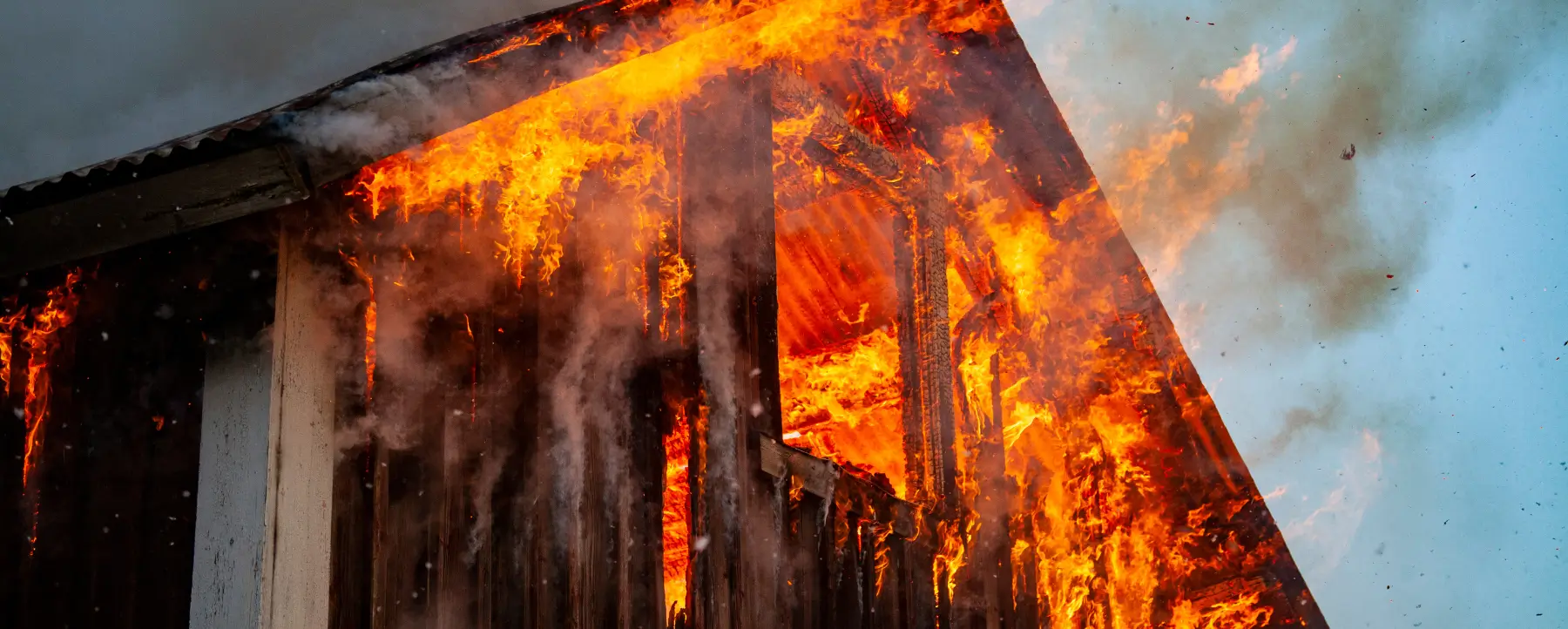
A house fire is one of the most devastating experiences a homeowner can face. Even after the flames are extinguished, the damage left behind—from smoke, soot, and water used to extinguish the fire—can be extensive.
Understanding the fire damage restoration process helps homeowners know what to expect and how professionals restore a property safely and efficiently. In this guide, we explain the complete recovery process and the steps involved in restoring a home after fire damage.
Step 1: Emergency Property Assessment
The restoration process begins with a professional inspection and damage assessment.
After a fire, restoration professionals evaluate:
- Structural integrity of the building
- Extent of fire and smoke damage
- Water damage from firefighting efforts
- Areas affected by soot contamination
- Potential safety hazards
This inspection helps determine the scope of restoration work and creates a recovery plan tailored to the property.
Step 2: Securing the Property
Fire damage can leave homes exposed to weather, theft, or further structural deterioration. Restoration companies often secure the property by:
- Boarding up broken windows and doors
- Installing temporary fencing
- Placing tarps on damaged roofs
- Stabilizing unsafe structures
Securing the property prevents additional damage while restoration work begins.
Step 3: Water Removal and Drying
Many homeowners are surprised to learn that water damage is common after a fire.
Firefighters often use large volumes of water to extinguish flames, which can leave standing water and saturated materials throughout the home.
Professional restoration teams remove water using:
- Industrial pumps and extraction equipment
- Commercial air movers and drying systems
- Dehumidifiers to remove moisture from the air
Proper drying helps prevent mold growth and structural damage.
Step 4: Smoke and Soot Removal
Smoke and soot can spread throughout the entire home—even in areas not directly touched by flames.
Soot particles can damage surfaces and create strong odors if not properly cleaned.
Restoration professionals use specialized techniques to remove soot from:
- Walls and ceilings
- Flooring and carpets
- Furniture and personal belongings
- HVAC systems
Air filtration equipment may also be used to remove airborne particles and improve indoor air quality.
Step 5: Deep Cleaning and Odor Removal
Fire damage often leaves behind persistent smoke odors.
Professional restoration teams perform deep cleaning and deodorization, which may include:
- Thermal fogging
- Ozone treatments
- Specialized deodorization equipment
- Cleaning of salvageable belongings
These methods help eliminate smoke odors that can linger long after the fire.
Step 6: Repair and Reconstruction
Once cleanup is complete, the final stage is restoring the property to its original condition.
Depending on the severity of the fire, this may include:
- Replacing drywall and insulation
- Repairing flooring and ceilings
- Repainting walls and surfaces
- Rebuilding damaged rooms or structures
In severe cases, partial reconstruction may be necessary to fully restore the home.
Step 7: Working With Insurance
Most homeowners will need to file an insurance claim after a fire.
Restoration companies often assist by:
- Documenting damage
- Providing restoration estimates
- Working with insurance adjusters
- Supporting the claims process
Proper documentation helps ensure the restoration process moves forward smoothly.
Why Professional Fire Damage Restoration Is Important
Fire damage restoration involves far more than cleaning visible damage. Smoke particles, hidden moisture, and structural concerns require professional attention.
Hiring experienced restoration professionals helps:
- Protect structural integrity
- Remove hazardous soot contamination
- Prevent mold growth
- Restore indoor air quality
- Return the property to a safe condition
Attempting to handle extensive fire damage without professional equipment can lead to long-term structural and health risks.
Professional Fire Damage Restoration in Los Angeles
If your property has experienced fire damage, immediate professional assistance is critical.
Streamline Restoration & Construction provides comprehensive fire damage restoration services, including property stabilization, smoke cleanup, structural drying, and reconstruction.
Our team works quickly to restore damaged homes and help homeowners recover after fire-related emergencies.
Final Thoughts
Recovering from a house fire can be overwhelming, but understanding the restoration process can help homeowners navigate the recovery more confidently.
The fire damage restoration process typically includes:
- Property assessment
- Securing the home
- Water removal and drying
- Smoke and soot cleanup
- Odor removal and deep cleaning
- Repairs and reconstruction
- Insurance coordination
With the right restoration team, homeowners can restore their property safely and begin moving forward.
Frequently Asked Questions
How long does fire damage restoration take?
The timeline depends on the severity of the damage. Minor fire damage may take a few days to clean and repair, while major structural restoration can take several weeks or longer.
Is smoke damage as serious as fire damage?
Yes. Smoke can travel throughout the home and cause extensive damage to walls, furniture, and ventilation systems. Professional smoke removal is often necessary.
Can smoke smell be completely removed?
In most cases, yes. Professional deodorization techniques such as ozone treatment and thermal fogging can eliminate persistent smoke odors.
Do restoration companies handle reconstruction after a fire?
Many restoration companies provide both cleanup and reconstruction services. This allows homeowners to complete the recovery process with a single contractor.
Does homeowners insurance cover fire damage restoration?
Most homeowners insurance policies cover fire damage restoration, but coverage varies depending on the policy. Proper documentation and working with restoration professionals can help support the claims process.