

Property damage can occur suddenly and without warning. Whether caused by water leaks, fire, storms, or mold, emergencies often require immediate attention to prevent further damage.
Many homeowners wonder whether they can handle the cleanup themselves or if they should contact professionals. Understanding when to call emergency restoration services can help protect your property, reduce repair costs, and prevent long-term structural issues.
In this guide, we explain when emergency restoration services are necessary and how professionals help restore damaged properties safely and efficiently.
What Are Emergency Restoration Services?
Emergency restoration services involve rapid response cleanup, damage mitigation, and repair following property damage.
These services typically address situations such as:
- Water damage from burst pipes or flooding
- Fire and smoke damage
- Mold growth caused by moisture issues
- Storm damage to roofs or structures
- Sewage backups and contamination
Professional restoration teams respond quickly to stabilize the property, remove hazards, and begin recovery.
Situations That Require Emergency Restoration Services
Certain types of property damage require immediate professional attention.
Below are common situations where homeowners should call a restoration company right away.
Severe Water Damage or Flooding
Water damage spreads rapidly and can affect floors, walls, electrical systems, and structural materials.
You should contact emergency restoration professionals if:
- There is significant standing water inside the property
- Water has soaked walls, ceilings, or flooring
- Flooding occurred after storms or plumbing failures
- Water has entered electrical systems
Professional water extraction and drying equipment helps prevent mold growth and structural damage.
Fire and Smoke Damage
Even after firefighters extinguish a blaze, fire damage can continue to affect the home.
Emergency restoration may be necessary when:
- Structural materials have been burned or weakened
- Smoke and soot have spread throughout the property
- Water damage occurred from firefighting efforts
- Strong smoke odors remain inside the home
Professional restoration teams remove soot, eliminate smoke odors, and restore damaged areas.
Mold Growth After Water Damage
Mold can begin developing within 24 to 48 hours after water exposure.
Emergency mold remediation may be necessary if:
- Mold is visible on walls, ceilings, or flooring
- Musty odors are present throughout the home
- Occupants experience allergy symptoms indoors
- Water damage occurred recently and moisture remains
Professionals identify the moisture source and safely remove mold contamination.
Storm and Structural Damage
Severe weather can cause significant damage to homes, including:
- Roof leaks
- Broken windows
- Fallen trees or debris
- Structural instability
Emergency restoration services may include temporary property protection, such as boarding windows or installing roof tarps.
These steps help prevent additional damage while repairs begin.
Sewage Backup or Contaminated Water
Sewage backups and contaminated water present serious health risks.
Homeowners should call professionals immediately if:
- Sewage water enters the property
- Drains overflow or back up into the home
- Floodwater contains debris or contaminants
Professional cleanup is essential because contaminated water can carry harmful bacteria and pathogens.
Why Professional Restoration Services Are Important
Emergency restoration involves specialized equipment, safety protocols, and technical expertise.
Professionals use advanced tools such as:
- Industrial water extraction equipment
- Moisture detection instruments
- Air filtration and odor removal systems
- Structural drying equipment
These tools help restore damaged properties while minimizing long-term risks such as mold growth or structural deterioration.
The Importance of Acting Quickly
Time is critical when dealing with property damage.
Without immediate action:
- Water damage can spread and weaken building materials
- Mold may begin growing within days
- Smoke residue can permanently stain surfaces
- Structural damage can worsen
Calling professionals early can significantly reduce repair costs and restoration time.
Emergency Restoration Services in Los Angeles
If your property experiences sudden damage, fast professional response can make all the difference.
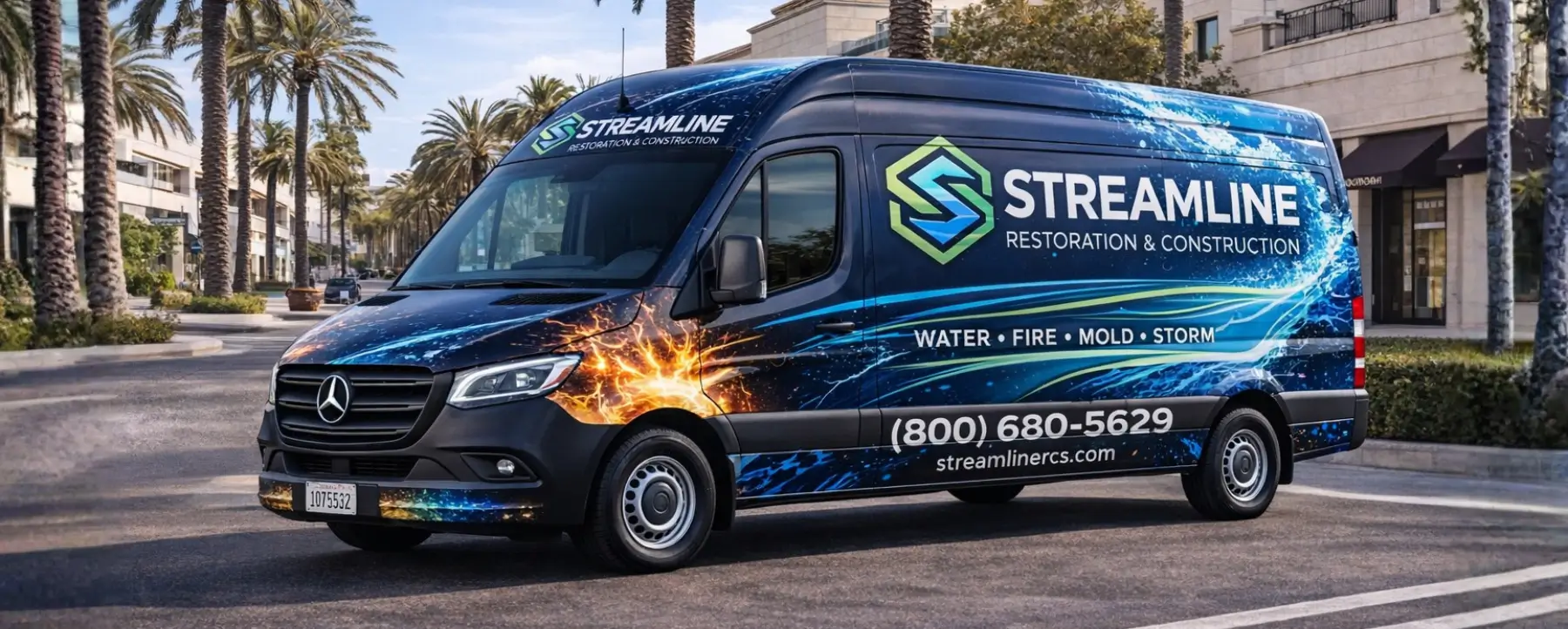
Streamline Restoration & Construction provides emergency restoration services to help homeowners recover from water damage, fire damage, mold growth, and storm-related issues.
Our team works quickly to stabilize damaged properties and begin the restoration process so homeowners can return to a safe living environment.
Final Thoughts
Property emergencies can be overwhelming, but knowing when to contact restoration professionals can prevent further damage and speed up recovery.
Homeowners should consider calling emergency restoration services when dealing with:
- Severe water damage or flooding
- Fire or smoke damage
- Mold growth after water exposure
- Storm or structural damage
- Sewage backups or contaminated water
Prompt professional response helps protect your home and restore it safely.
Frequently Asked Questions
What qualifies as a restoration emergency?
Situations involving water damage, fire damage, mold contamination, or structural damage often require emergency restoration services to prevent further property deterioration.
How quickly should restoration services respond?
Many restoration companies offer 24/7 emergency response and can arrive within hours to begin damage mitigation.
Can I handle emergency damage cleanup myself?
Minor issues may be manageable, but significant water damage, fire damage, or contamination usually requires professional equipment and safety procedures.
How much do emergency restoration services cost?
Costs vary depending on the type and severity of the damage. Restoration professionals typically provide inspections and estimates before beginning major repairs.
Does homeowners insurance cover emergency restoration services?
Many insurance policies cover damage caused by sudden events such as fires, burst pipes, or storms. Coverage depends on the specific policy.