

When dealing with water damage, many homeowners hear terms like water mitigation and water restoration used interchangeably. While they are closely related, they are not the same—and understanding the difference can help you make better decisions during an emergency.
In simple terms, water mitigation focuses on stopping and preventing further damage, while water restoration focuses on repairing and rebuilding what was affected.
Both are essential parts of the recovery process, and most professional companies—including Streamline Restoration & Construction—handle both under one coordinated approach.
What Is Water Mitigation?
Water mitigation is the first phase of the response. The goal is to control the situation immediately and minimize damage.
This process typically begins as soon as water damage is discovered—whether from a burst pipe, leak, flood, or appliance failure.
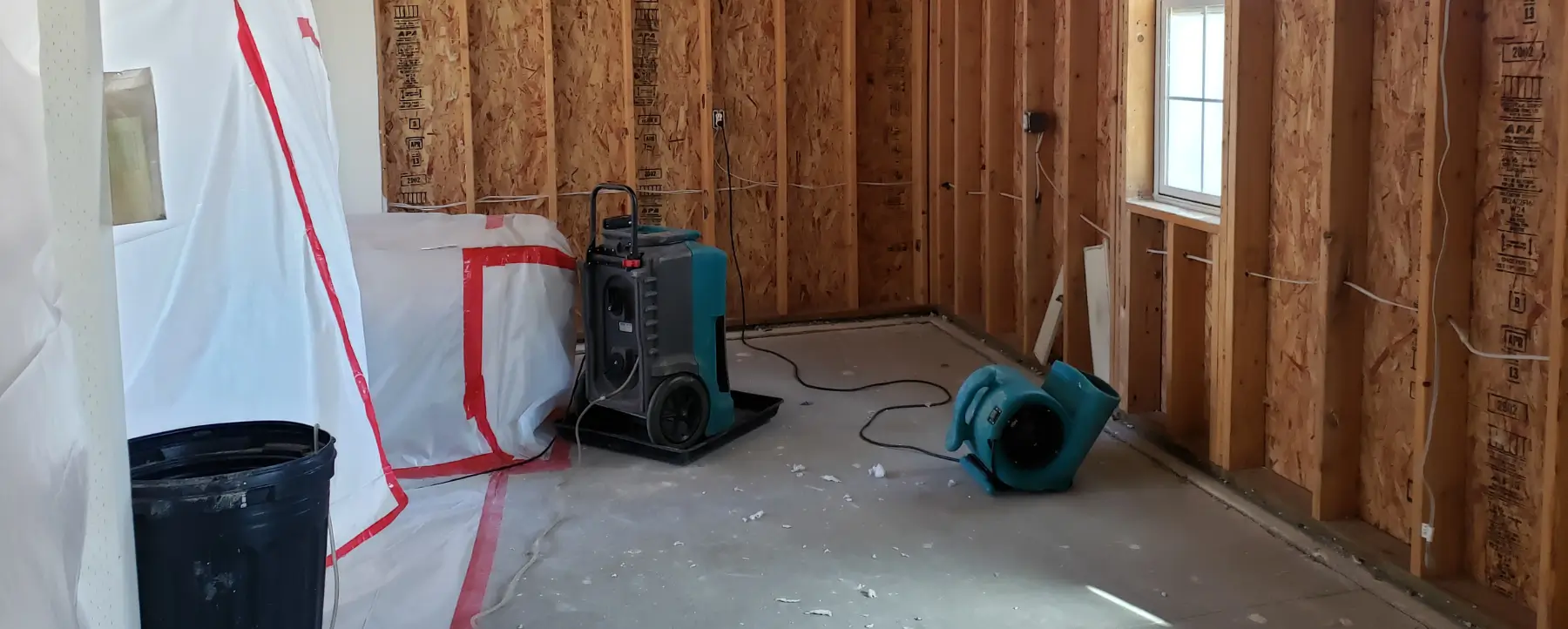
Mitigation focuses on stabilizing the environment. This includes removing standing water, drying affected areas, and preventing secondary issues such as mold growth or structural deterioration.
Without proper mitigation, water damage can spread quickly, increasing both the severity of the problem and the cost of repairs.
What Is Water Restoration?
Water restoration is the next phase, which begins after the property has been dried and stabilized.
The goal of restoration is to return your property to its original condition—or better.
This may involve repairing drywall, replacing flooring, rebuilding damaged structures, repainting, and restoring affected areas so they are safe and functional again.
While mitigation is about preventing further damage, restoration is about bringing everything back to normal.
Key Differences Between Water Mitigation and Water Restoration
Although they are part of the same overall process, the difference comes down to timing, purpose, and scope.
Water mitigation happens first and is focused on immediate response. It is about stopping the damage from getting worse. Restoration happens afterward and focuses on repairing and rebuilding what was impacted.
Mitigation is largely preventative, while restoration is corrective.
Both phases are critical. Skipping or delaying mitigation can lead to more extensive restoration work later.
Why Both Services Are Important
Some homeowners assume that once the visible water is gone, the problem is solved. In reality, hidden moisture can remain behind walls, under flooring, and inside structural materials.
If mitigation is not done properly, moisture can lead to:
- Mold growth
- Structural weakening
- Persistent odors
- Long-term damage
On the other hand, without proper restoration, your property may remain unsafe, unfinished, or visually damaged.
A complete solution requires both mitigation and restoration working together.
How the Full Process Works
A professional water damage response typically follows a structured approach.
It begins with an assessment of the damage and identification of the water source. From there, mitigation efforts start immediately to remove water and dry the affected areas.
Once moisture levels are controlled and the property is stabilized, restoration begins. This phase focuses on repairing, rebuilding, and returning the space to a safe and livable condition.
Handling both phases through one company ensures continuity, efficiency, and better overall results.
When Should You Call a Professional?
You should contact a professional restoration company as soon as you notice:
- Standing water
- Water stains or discoloration
- Warped flooring or walls
- Musty odors
- Leaks or flooding
Timing is critical. The sooner mitigation begins, the more damage can be prevented—and the simpler the restoration process will be.
Why Choose a Full-Service Restoration Company
Working with a company that provides both mitigation and restoration offers several advantages.
It eliminates the need to coordinate multiple contractors and ensures that the transition from drying to rebuilding is seamless.
It also improves communication, reduces delays, and helps ensure that no steps are missed in the process.
At Streamline Restoration & Construction, we handle everything from initial water mitigation to full reconstruction, providing a complete solution under one team.
Final Thoughts
Water mitigation and water restoration are two distinct but equally important parts of the recovery process.
Mitigation protects your property from further damage, while restoration brings it back to its original condition.
Understanding the difference helps you act quickly and choose the right professionals when it matters most.
If you are dealing with water damage, the best approach is to work with a team that can handle both phases efficiently and professionally.
FAQs
What is the difference between water mitigation and water restoration?
Water mitigation focuses on stopping and preventing further damage, while water restoration focuses on repairing and rebuilding the property.
Which comes first, mitigation or restoration?
Mitigation always comes first. It stabilizes the situation before repairs begin.
Do I need both services?
Yes. Proper mitigation prevents further damage, and restoration ensures your property is fully repaired.
How quickly should mitigation start?
Immediately. The first 24–48 hours are critical in preventing mold and structural damage.
Can one company handle both mitigation and restoration?
Yes. Full-service restoration companies provide both to ensure a smooth and complete recovery process.