

Water damage does not end when the visible water is gone. In many cases, the most serious issues begin after the initial cleanup—especially when moisture remains hidden within your home.
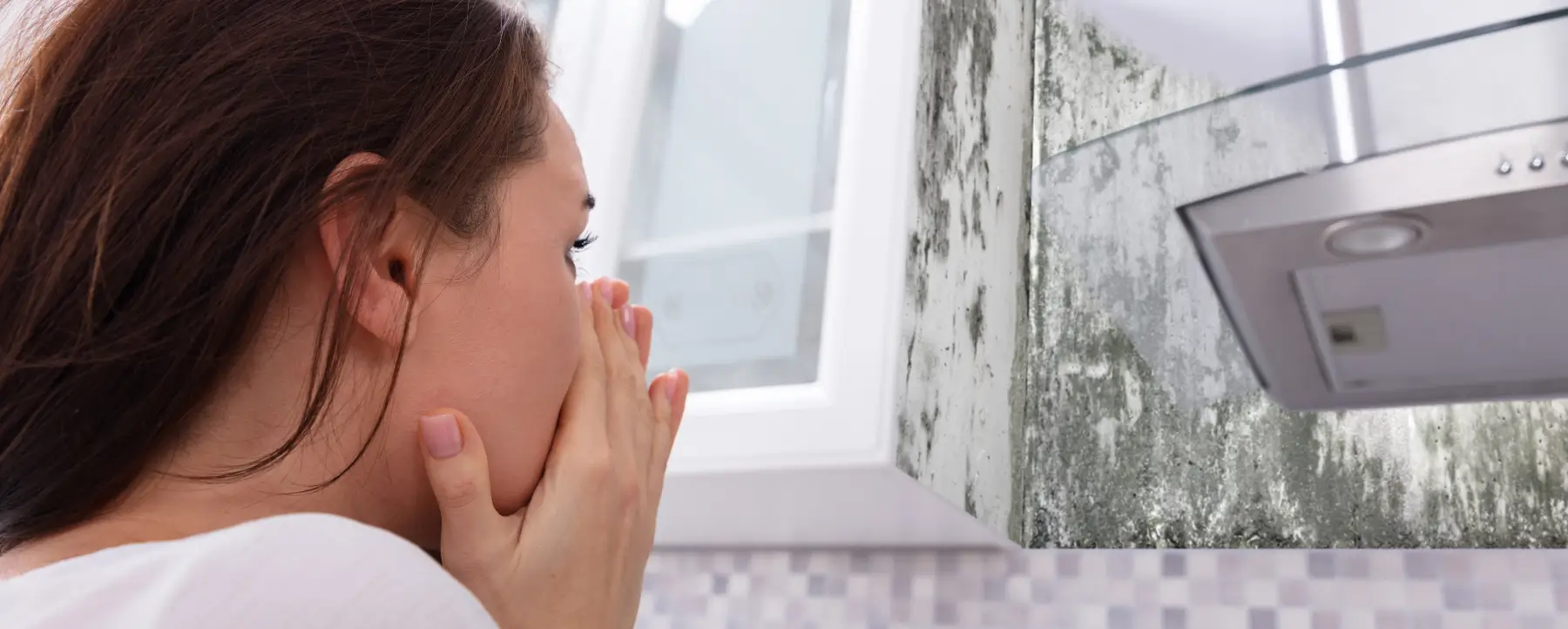
One of the biggest risks following water damage is mold growth. It develops quickly, spreads quietly, and can affect both your property and your health if not addressed properly.
Understanding how mold forms and how to prevent it is essential to protecting your home after any water-related incident.
How Quickly Mold Can Develop After Water Damage
Mold growth is not a slow process. Under the right conditions, it can begin forming within 24 to 48 hours after water exposure.
Even if surfaces feel dry, moisture can remain trapped inside materials such as drywall, wood, insulation, and flooring. These hidden pockets of moisture create the ideal environment for mold to grow and spread.
This is why timing is critical. The longer moisture is left untreated, the higher the likelihood of mold development.
Why Mold Is Often Hidden
One of the most challenging aspects of mold is that it rarely grows in open, visible areas at first. Instead, it tends to develop in concealed spaces where moisture lingers undetected.
These areas often include:
- Inside wall cavities and behind drywall
- Beneath flooring or carpeting
- Around baseboards and cabinetry
- Within insulation or ceiling structures
Because mold can grow out of sight, many homeowners do not realize there is a problem until it has already spread.
The Health Risks Associated With Mold Exposure
Mold is not just a structural issue—it can also impact indoor air quality and overall health.
Exposure to mold spores may cause symptoms such as respiratory irritation, congestion, headaches, and allergic reactions. For individuals with asthma or weakened immune systems, these effects can be more severe.
When mold growth is left untreated, exposure can become ongoing, turning a temporary issue into a long-term health concern.
The Structural Damage Mold Can Cause
In addition to health risks, mold can gradually weaken the materials that make up your home.
It feeds on organic materials like wood, drywall, and insulation, breaking them down over time. As this process continues, it can lead to compromised structural integrity and more extensive repairs.
What initially appears to be minor water damage can escalate into a much larger restoration project if mold is allowed to develop unchecked.
Early Signs of Mold You Should Not Ignore
Because mold is often hidden, early detection depends on recognizing subtle warning signs.
A persistent musty odor is one of the most common indicators. You may also notice discoloration on walls or ceilings, peeling paint, or surfaces that appear warped or uneven.
In some cases, increased allergy-like symptoms indoors can signal poor air quality caused by mold.
If your property has recently experienced water damage, these signs should be taken seriously—even if no visible mold is present.
How to Prevent Mold After Water Damage
Preventing mold is not about surface-level drying—it requires a comprehensive approach to moisture control.
The most important factor is speed. Addressing water damage immediately reduces the window of time in which mold can develop.
Effective prevention involves removing water quickly, thoroughly drying all affected areas, and ensuring that hidden moisture is properly addressed. This often requires more than standard household equipment, as moisture can remain trapped in areas that are not visible or easily accessible.
Proper airflow, humidity control, and monitoring of moisture levels all play a role in preventing mold growth.
Why Professional Water Mitigation Makes the Difference
Many homeowners attempt to handle water cleanup on their own, but incomplete drying is one of the main reasons mold develops after water damage.
Professional restoration teams use specialized equipment to detect and eliminate hidden moisture. They follow structured drying processes designed to fully stabilize the environment and reduce the risk of mold growth.
At Streamline Restoration & Construction, water mitigation is approached with both immediate damage control and long-term prevention in mind. This ensures that the problem is addressed at its source—not just at the surface.
When to Call a Professional
If water damage has been present for more than a day, or if you notice any signs of mold or musty odors, it is important to bring in a professional as soon as possible.
The earlier the issue is addressed, the easier it is to control and resolve. Delays can lead to more extensive damage, higher costs, and increased health risks.
Final Thoughts
Mold is one of the most serious and often overlooked consequences of water damage. It develops quickly, spreads silently, and can create both structural and health-related issues if not properly addressed.
The key to prevention is acting early, drying thoroughly, and ensuring that no hidden moisture remains.
If your property has experienced water damage, taking the right steps immediately can help prevent mold before it becomes a much larger problem.
FAQs
How fast does mold grow after water damage?
Mold can begin to grow within 24 to 48 hours if moisture is not fully removed.
Can mold grow even if everything looks dry?
Yes. Moisture can remain hidden behind walls, under flooring, and inside materials.
Is mold always visible?
No. Mold often develops in concealed areas and may not be seen until it has spread.
What is the biggest cause of mold after water damage?
Incomplete drying and untreated moisture are the primary causes.
Do I need professional help to prevent mold?
In most cases, yes. Professionals can detect hidden moisture and ensure thorough drying.