

Mold growth in a home can lead to structural damage, unpleasant odors, and potential health concerns. Because mold often grows in hidden areas—behind walls, under flooring, or inside ventilation systems—many homeowners are unsure whether they actually have a mold problem.
A professional mold inspection helps identify the presence of mold, determine the extent of contamination, and guide the next steps for safe removal. In this guide, we explain what happens during a professional mold inspection and why it is an important part of protecting your home.
Why Mold Inspections Are Important
Mold thrives in environments with excess moisture, such as areas affected by water damage, plumbing leaks, roof leaks, or poor ventilation.
Without proper inspection, mold growth can spread quickly and remain hidden for long periods.
A professional mold inspection helps homeowners:
- Identify hidden mold growth
- Locate moisture sources causing the problem
- Assess the severity of contamination
- Determine whether remediation is necessary
- Prevent further structural damage
Early detection is key to preventing more costly repairs later.
Step 1: Initial Consultation and Property Assessment
The mold inspection process typically begins with a discussion about the property and any signs of potential mold problems.
Homeowners may report symptoms such as:
- Musty odors
- Visible mold spots
- Recent water damage
- Persistent moisture or humidity issues
- Health symptoms like allergies or respiratory irritation
Inspectors use this information to guide the inspection and focus on areas most likely to contain mold.
Step 2: Visual Inspection of the Property
A professional inspector performs a detailed visual assessment of the home.
Common areas inspected include:
- Bathrooms and kitchens
- Basements and crawl spaces
- Attics and roof areas
- HVAC systems and ductwork
- Areas previously affected by water damage
Visible mold growth, staining, and moisture patterns can often indicate underlying mold issues.
Step 3: Moisture Detection and Leak Identification
Because mold growth is directly related to moisture, inspectors use specialized tools to detect hidden water sources.
Common inspection tools include:
- Moisture meters
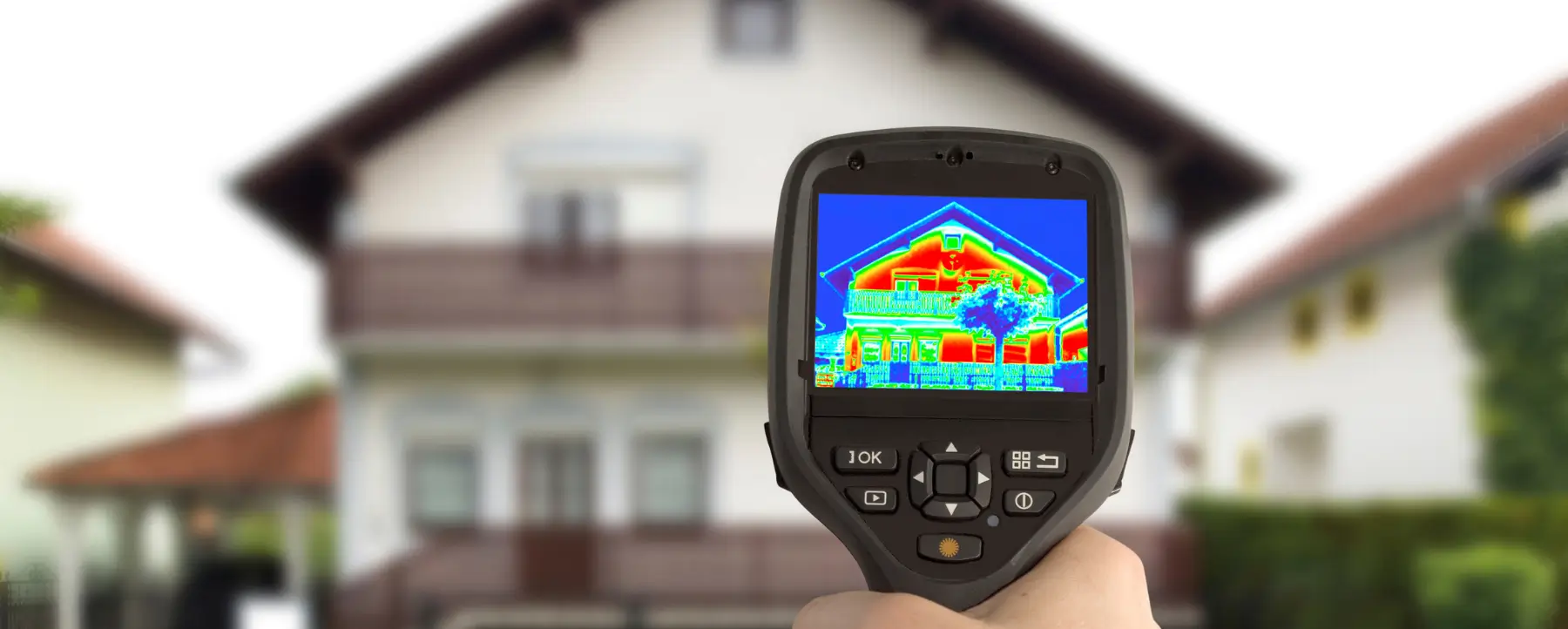
- Thermal imaging cameras
- Hygrometers for measuring humidity levels
These tools help inspectors locate moisture behind walls, under flooring, or inside ceilings where mold may be developing.
Step 4: Air and Surface Sampling
In some cases, inspectors collect samples to confirm mold presence and determine mold types.
Testing may include:
- Air samples to measure mold spores in the indoor air
- Surface samples from suspected mold areas
- Laboratory analysis of collected samples
Sampling can help determine whether mold levels are elevated compared to normal indoor conditions.
Step 5: Mold Inspection Report
After the inspection is complete, homeowners typically receive a detailed mold inspection report.
This report may include:
- Locations where mold was found
- Moisture sources contributing to mold growth
- Photos from the inspection
- Laboratory results (if testing was performed)
- Recommended next steps
The report helps homeowners understand the scope of the issue and plan remediation if needed.
Step 6: Mold Remediation Recommendations
If mold contamination is confirmed, professionals will recommend appropriate remediation strategies.
Remediation may include:
- Removing contaminated materials
- Cleaning and disinfecting affected surfaces
- Addressing moisture sources
- Improving ventilation or humidity control
Professional mold remediation ensures mold is safely removed without spreading spores throughout the home.
Signs You May Need a Mold Inspection
Homeowners should consider a mold inspection if they notice:
- Persistent musty smells
- Visible mold growth
- Recent water damage or flooding
- Peeling paint or warped walls
- Allergies or respiratory irritation that worsen indoors
These warning signs may indicate hidden mold growth that requires professional attention.
Professional Mold Inspection Services in Los Angeles
If you suspect mold in your home, a professional inspection is the safest way to identify the problem and determine the next steps.
Streamline Restoration & Construction provides mold inspection and remediation services to help homeowners detect mold early and restore healthy indoor environments.
Our team uses advanced detection tools and proven remediation methods to address mold issues quickly and effectively.
Final Thoughts
Mold problems often begin silently and can spread before homeowners notice visible signs.
A professional mold inspection helps identify mold growth early and prevent further damage to your property.
The mold inspection process typically includes:
- Initial consultation
- Visual property inspection
- Moisture detection
- Air and surface sampling
- Inspection report and analysis
- Mold remediation recommendations
With early detection and proper remediation, homeowners can protect their homes and maintain a safe indoor environment.
Frequently Asked Questions
How long does a professional mold inspection take?
Most mold inspections take between 1 and 2 hours, depending on the size of the property and the complexity of the issue.
Can mold be hidden inside walls?
Yes. Mold often grows behind drywall, under flooring, or inside insulation where moisture is present. Professional tools help detect hidden mold growth.
Is mold testing always necessary?
Not always. In many cases, visual inspection and moisture detection are enough to confirm mold growth. Testing is often used when mold is suspected but not visible.
Is mold dangerous for homeowners?
Some types of mold can cause allergic reactions, respiratory irritation, or worsen asthma symptoms, particularly for sensitive individuals.
What happens after mold is found?
If mold is confirmed, professionals will recommend mold remediation, which involves removing contaminated materials and eliminating moisture sources.