

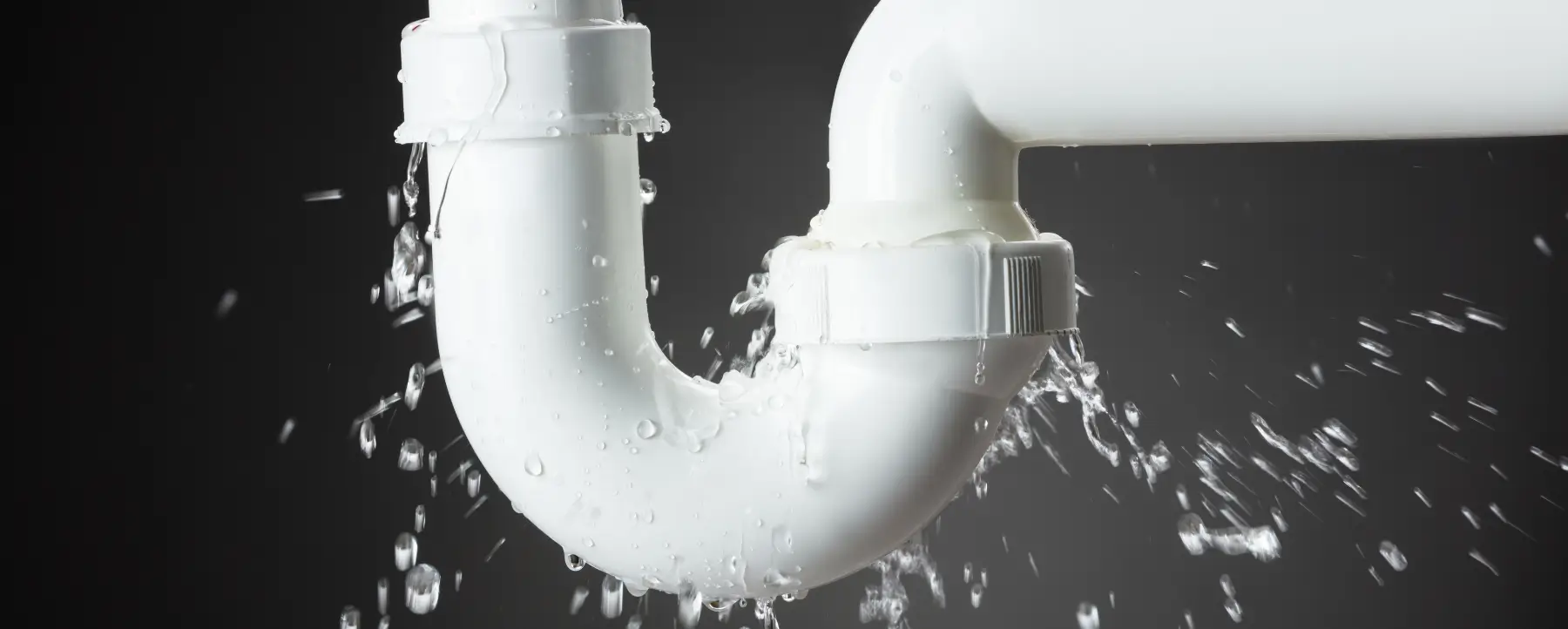
Water damage can happen unexpectedly—from burst pipes and roof leaks to appliance failures or storms. When water enters your home, the first 24–48 hours are critical. Acting quickly can prevent structural damage, mold growth, and costly repairs.
In this guide, we explain what to do immediately after water damage, the steps homeowners should take to protect their property, and when to contact a professional restoration company.
Step 1: Stop the Source of Water
The first priority is to identify and stop the source of the water.
Common causes of residential water damage include:
- Burst or leaking pipes
- Roof leaks
- Overflowing appliances (dishwashers, washing machines)
- Water heater failure
- Storm or flood damage
If the water is coming from plumbing, turn off the main water supply to prevent additional flooding.
If the damage is caused by severe weather or structural issues, avoid entering unsafe areas and wait for professional help.
Step 2: Turn Off Electricity in Affected Areas
Water and electricity are a dangerous combination.
If water has reached outlets, appliances, or electrical panels:
- Turn off electricity at the breaker panel
- Avoid stepping in standing water near electrical devices
- Contact a licensed professional if you are unsure
Safety should always be the top priority before attempting cleanup.
Step 3: Remove Standing Water
The faster you remove water, the less damage it will cause.
Homeowners can begin removing water by:
- Using mops or towels
- Wet/dry vacuums
- Buckets or pumps for larger areas
However, significant flooding often requires professional water extraction equipment to fully remove moisture.
Step 4: Move Furniture and Belongings
Water can quickly damage furniture, flooring, and personal belongings.
Move items away from the affected area if possible:
- Rugs and carpets
- Furniture
- Electronics
- Important documents
- Artwork or valuables
Placing aluminum foil or wood blocks under furniture legs can help prevent further damage.
Step 5: Start Drying the Area
After water removal, the next step is drying and dehumidifying the affected area.
You can begin by:
- Opening windows (if weather allows)
- Using fans to circulate air
- Running dehumidifiers
- Removing wet materials like carpets or padding
Proper drying is critical because moisture trapped in walls or floors can lead to mold growth.
Step 6: Document the Damage for Insurance
Before making major repairs or disposing of damaged items, document everything.
Take clear photos or videos of:
- Water-damaged walls and floors
- Damaged furniture or belongings
- The source of the water (if visible)
This documentation can help support your insurance claim for water damage restoration.
Step 7: Contact a Professional Water Damage Restoration Company
While minor spills can be handled by homeowners, significant water damage requires professional restoration services.
Professional restoration companies provide:
- Industrial water extraction equipment
- Moisture detection tools
- Structural drying systems
- Mold prevention treatment
- Full restoration and reconstruction services
Quick professional response helps minimize long-term damage and restoration costs.
Why Immediate Water Damage Response Is Critical
Water damage worsens rapidly if not addressed.
Within the first 24 hours, materials like drywall and wood begin absorbing moisture. Within 48 hours, mold growth may start to develop.
Fast action helps prevent:
- Structural damage
- Mold infestations
- Electrical hazards
- Expensive reconstruction
Professional Water Damage Restoration in Los Angeles
If your home has experienced water damage, acting quickly can make all the difference.
Streamline Restoration & Construction provides professional water damage restoration services, including emergency response, structural drying, and full reconstruction solutions.
Our team works to restore your home safely and efficiently so you can return to normal as soon as possible.
Final Thoughts
Water damage can be stressful for homeowners, but knowing what to do immediately can help reduce damage and recovery time.
Remember the key steps:
- Stop the water source
- Ensure electrical safety
- Remove standing water
- Protect belongings
- Begin drying the area
- Document damage for insurance
- Contact a professional restoration company
Taking these steps quickly can protect your home and prevent costly repairs.
Frequently Asked Questions
What should I do first after water damage in my home?
Stop the source of the water if it is safe to do so. Then turn off electricity in affected areas, remove standing water, begin drying the space, document the damage, and contact a professional restoration company.
How quickly should water damage be addressed?
Immediately. The first 24 to 48 hours are critical because moisture can spread into walls, floors, and structural materials, increasing the risk of mold and more expensive repairs.
Can I clean up water damage myself?
Minor water issues may be manageable, but significant water damage usually requires professional extraction, drying, and moisture detection to prevent hidden damage and mold growth.
Will mold grow after water damage?
It can. Mold may begin developing within 24 to 48 hours if affected materials are not dried properly.
Should I take photos of water damage for insurance?
Yes. Take clear photos and videos of all visible damage before major cleanup or disposal of damaged materials to support your insurance claim.